News and Insights
Nature, Heritage & Healing: Reflections from the Global Wellness Summit 2025
December 3, 2025
As I stepped onto the stage at this year’s Global Wellness Summit, one headline resonated across every conversation: wellness is no longer a niche—it’s a global economic powerhouse. According to the Global Wellness Economy Monitor 2025, revealed at this year’s summit, the wellness economy surged to $6.8 trillion in 2024, representing 6.12% of global GDP and outpacing overall economic growth. Wellness tourism alone now stands at $893.9 billion, projected to grow at 9.1% annually through 2029—nearly twice the pace of traditional tourism. These figures underscore a seismic shift: wellness is shaping not just how we live, but how we travel, invest, and design the future.
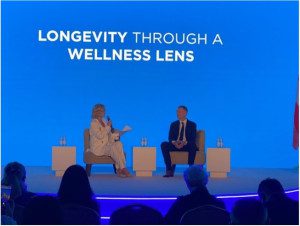
This momentum reflects a deeper cultural transformation. Travelers are no longer satisfied with generic spa breaks; they seek authentic, place-based experiences that restore emotional balance and reconnect them with nature and heritage. The Middle East, with its vast landscapes and rich traditions, is emerging as a global leader in this movement, which was the inspiration for my Fireside Chat.
Inside the Fireside Chat: Nature, Heritage & Healing
Hosting the panel “Nature, Heritage & Healing: The Middle East’s Wellness Renaissance” was an exciting opportunity to spotlight this evolution. I was joined by Phillip Jones, Chief Tourism Officer for the Royal Commission for AlUla—a destination that epitomizes this renaissance. Phillip shared how AlUla is curating wellness through initiatives like the AlUla Wellness Festival, Dark Sky-certified parks, and heritage-linked retreats that invite travelers to slow down, unplug, and immerse themselves in stories etched into sandstone canyons.
We explored why cultural authenticity is now a cornerstone of wellness tourism. From hammams and Arabic rituals to mindfulness hikes among UNESCO heritage sites, the region is blending centuries-old practices with modern luxury. As Phillip noted, travelers increasingly prioritize emotional and mental well-being—a trend reflected in global data showing that 79% of wellness travelers rank emotional reset above physical treatments. This is why AlUla’s approach—high-value, low-volume, and deeply rooted in nature—is resonating worldwide.
Innovation Meets Tradition
The conversation also touched on regenerative tourism, which goes beyond sustainability to actively restore ecosystems and communities. AlUla’s light-touch development model, with over 50% of its land protected, sets a benchmark for destinations seeking growth without compromising heritage or ecology. This ethos aligns with global examples like Ras Al Khaimah’s mountain-top hot yoga on Jebel Jais, where natural heat and altitude replace artificial studios, and sound healing under the stars creates multi-sensory experiences that feel both ancient and avant-garde.
These innovations reflect a broader truth: wellness is no longer confined to spas. It’s about designing journeys that integrate nature, culture, and innovation.
Longevity: The New Frontier of Wellness
One of the most compelling themes at this year’s summit was the rise of longevity as a core pillar of wellness. Experts highlighted how the conversation has shifted from short-term rejuvenation to long-term vitality, with destinations and brands investing in science-backed programs that extend health span—not just lifespan. From personalized nutrition and biohacking retreats to advanced diagnostics offered in luxury resorts, longevity is redefining what premium wellness experiences look like. The Middle East is embracing this trend with initiatives that combine traditional healing wisdom with cutting-edge medical partnerships, positioning the region as a hub for travelers seeking not only relaxation but a roadmap to thriving well into the future.
Tech: Wellness in the Digital Age
Technology also took centre stage in Dubai, underscoring its transformative role in making wellness more accessible, measurable, and immersive. Innovations unveiled at the summit ranged from AI-driven health coaches and wearable devices that track stress and sleep, to virtual reality platforms enabling guided meditation in breathtaking landscapes—without leaving your room. For destinations like AlUla, tech is becoming a bridge between heritage and modernity, allowing visitors to experience ancient rituals enhanced by digital storytelling and augmented reality. This fusion of tech and tradition signals a new era where wellness journeys are not only personalized but deeply engaging, blending the physical and digital worlds to elevate well-being.
Planetary Wellness
On the heels of COP30, sustainability and climate resilience are no longer optional; they are imperatives. The most impactful models will be those that harmonize heritage, nature, and regenerative practices, creating experiences that heal not only individuals but also the planet.
I’m proud to champion this vision—supporting destinations and brands that see wellness not as an add-on, but as a philosophy. The future of travel isn’t just about where we go; it’s about how those journeys help us reconnect—with ourselves, with each other, and with the world we share.
POSTED BY: Debbie Flynn