News and Insights
No…This – March 2026
March 19, 2026
Welcome to the latest edition of No…This, our news digest unpacking the need-to-know shifts in communications and marketing.
The digital landscape is shifting rapidly, with platform algorithms and evolving user behavior forcing a rethink of how brands drive engagement.
We’ve officially moved beyond the “link-in-bio” era and into a native-first economy. As platforms like LinkedIn increasingly deprioritize posts that send users off-platform to keep audiences within their “walled gardens,” the industry is pivoting toward content that delivers value directly where people are scrolling. We’re also looking at how TikTok has successfully hijacked nearly half of the U.S. search market, the staggering $200k entry fee for ChatGPT’s new ad tier, and why your B2B strategy must now be video-led to survive.
Ready to dive in?

How TikTok Pivoted From Viral Dances to Primary Search Engine
What’s New
The shift in search behavior is no longer theoretical. According to a new Adobe study, nearly 49% of U.S. consumers now use TikTok as a functional search engine for recipes, beauty advice, and professional recommendations. While Google still holds the overall crown, the “search-to-social” pipeline is hardening. Users are increasingly bypassing traditional blue links in favor of short-form video perspectives and creator-led “proof,” forcing brands to rethink SEO as a video-first discipline.
In The News
- Hello Partner, Is Google Dead? Study Finds Consumers are Choosing TikTok as a Search Engine
- SocialMediaToday, Almost half of US consumers use TikTok as a search engine

The $200K Entry Fee for Ads in AI Platforms
What’s New
The “ad-free” honeymoon phase of Generative AI is ending for some, while others are doubling down on trust. OpenAI has begun testing ads in ChatGPT with a steep $200,000 minimum commitment and a $60 CPM, effectively pricing out all but the largest global brands. While Google’s AI Overviews and ChatGPT embrace monetization, competitors like Anthropic and Perplexity are running counter-campaigns, betting that users will flee to platforms that promise an objective, uncluttered experience.
In The News
- AdWeek, OpenAI Confirms $200,000 Minimum Commitment for ChatGPT Ads
- Medium, OpenAI sets $200,000 minimum spend for early ChatGPT ads
The Link in Bio Era Is Ending, And LinkedIn Is Going Video-First
What’s New
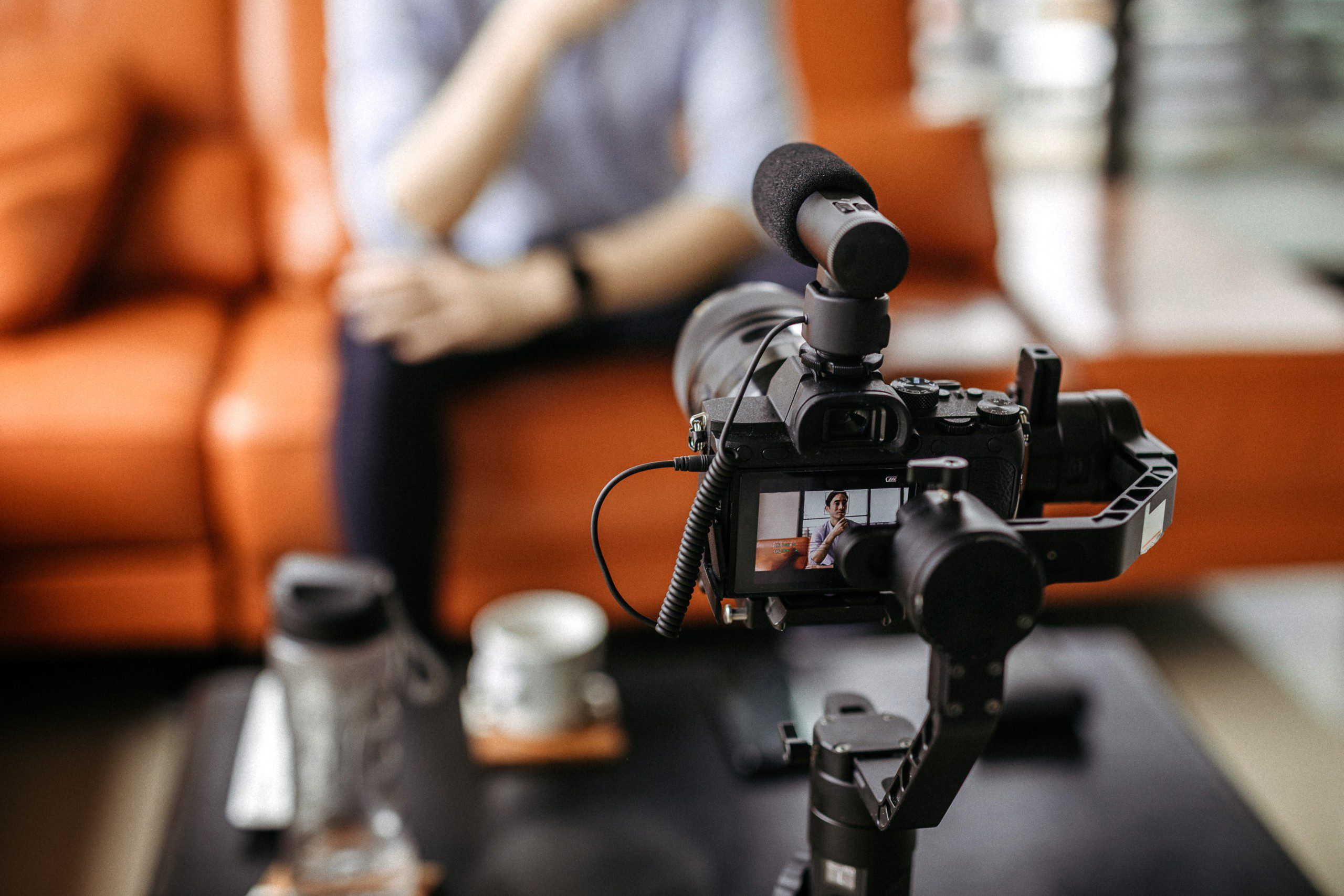
If you’re still relying on static images and external links, your organic reach is likely cratering. As of March 2026, LinkedIn’s algorithm has officially pivoted to favor native video and on-platform engagement. Native video content is now seeing 5x more engagement than static posts, while posts containing external links are suffering a 40% reduction in initial reach. With the rollout of a full-screen, personalized mobile video feed, the platform is prioritizing “talking head” educational content and raw authenticity over polished corporate broadcasting.
In The News
- SocialMediaToday, LinkedIn updates its Feed algorithm

Instagram Brings Reels to TV – What You Need to Know
What’s New
Instagram is handing more aesthetic control back to creators while simultaneously invading the living room. New features allow users to edit profile grid thumbnails and rearrange posts, leaning into a more “curated gallery” feel. More significantly, Instagram has expanded its app to Google TV devices in the U.S. This move transitions Reels from a distracted mobile scroll to a lean-back, high-fidelity TV viewing experience, significantly increasing the “shelf life” of vertical video content.
In The News
- TechCrunch, Instagram’s TV app is launching on Google TV devices
- SocialMediaToday, Instagram introduces thumbnail post editing for grids

X Tests Topic Filters – Why Brands Should Watch the News Algorithm
What’s New
In a bid to remain the internet’s “town square,” X is testing experimental feed filters that allow users to manually steer their “For You” algorithm toward specific news categories. By selecting trending stories or industry niches, users can bypass general noise for hyper-relevant real-time updates. This move aims to give users more agency over their experience while providing advertisers and publishers a more direct route to high-intent audiences during breaking news cycles.
In The News
- SocialMediaToday, X tests experimental topic feed filter
- Forbes, X’s Algorithm Makes Users More Conservative, Study Suggests
Sign Up for Future Editions of “No…This”