News and Insights
CES 2026: When AI Gets Physical
January 12, 2026
The world’s largest technology showcase returned to Las Vegas this January with more than 140,000 attendees and over 4,000 exhibitors across 2.5 million square feet. While AI has dominated recent CES cycles in language and logos, this year marked a shift from buzzword to business case.
This year, AI didn’t just talk: it moved, lifted, assisted, learned, and in some cases, even did the laundry.
Here are five trends from CES 2026 that reveal where tech and culture are headed next:
1. Robots Apply for Jobs, Not Just Attention
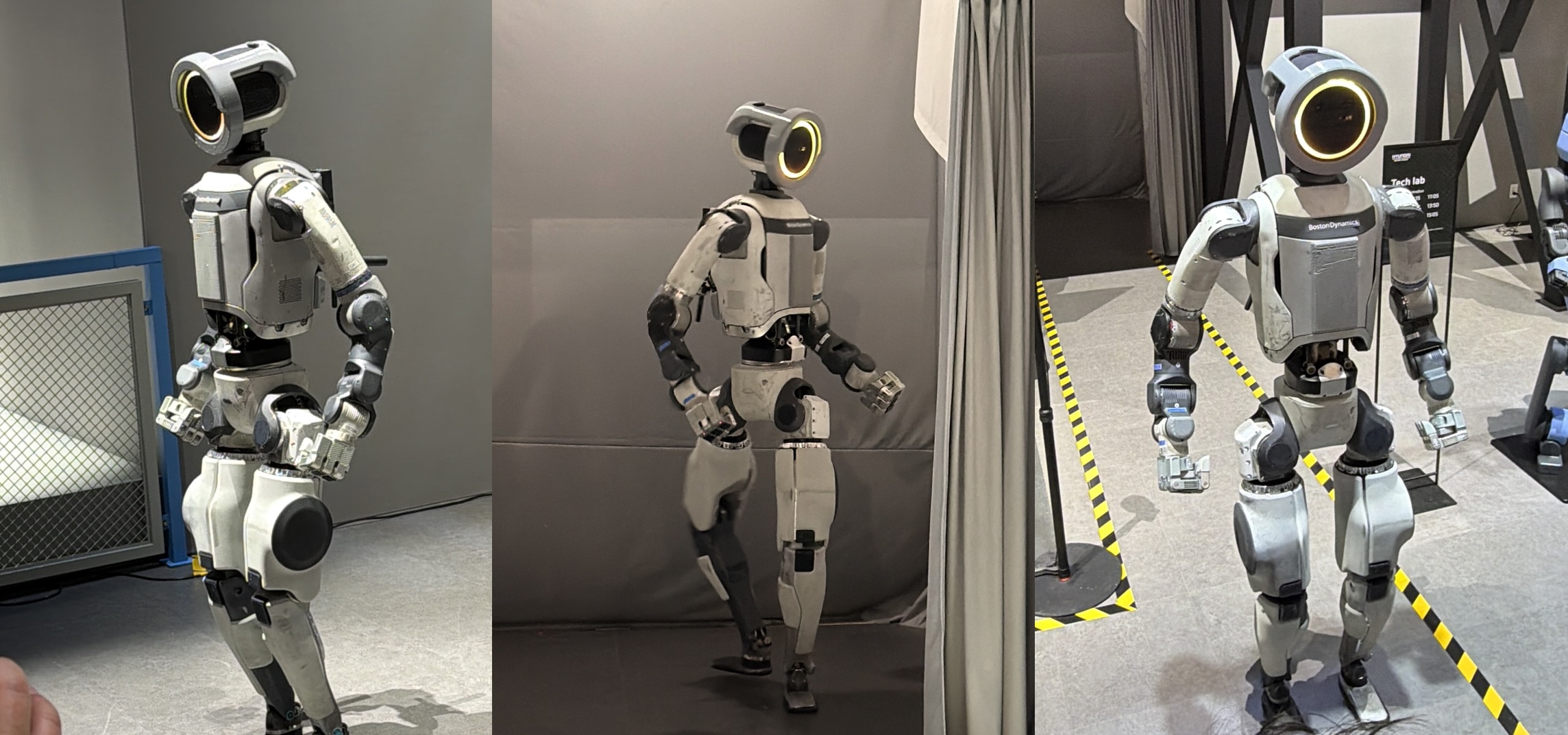
If CES 2025 was a showcase of AI’s potential, CES 2026 was its audition for the workforce. Robotics moved beyond eye-catching gimmicks and into clear commercial applications, including industrial support, autonomous vehicles, and warehouse logistics.
- FINN-client Boston Dynamics’ Atlas robot, now developed for Hyundai factories, is lifting car parts, not just crowd expectations.
- Autonomous taxis from Zoox shuttled attendees around Las Vegas in fully driverless vehicles that are built without steering wheels or pedals.
- Across every hall attendees found humanoid robots that were packing boxes, sorting recyclables, monitoring conveyor belts, and even boxing (yes, really).
The signal is clear: “physical AI” has arrived, and while the tasks are still being optimized for speed and real-world use cases, the intent and investment are very real.
2. The Household Robot Gets an Upgrade
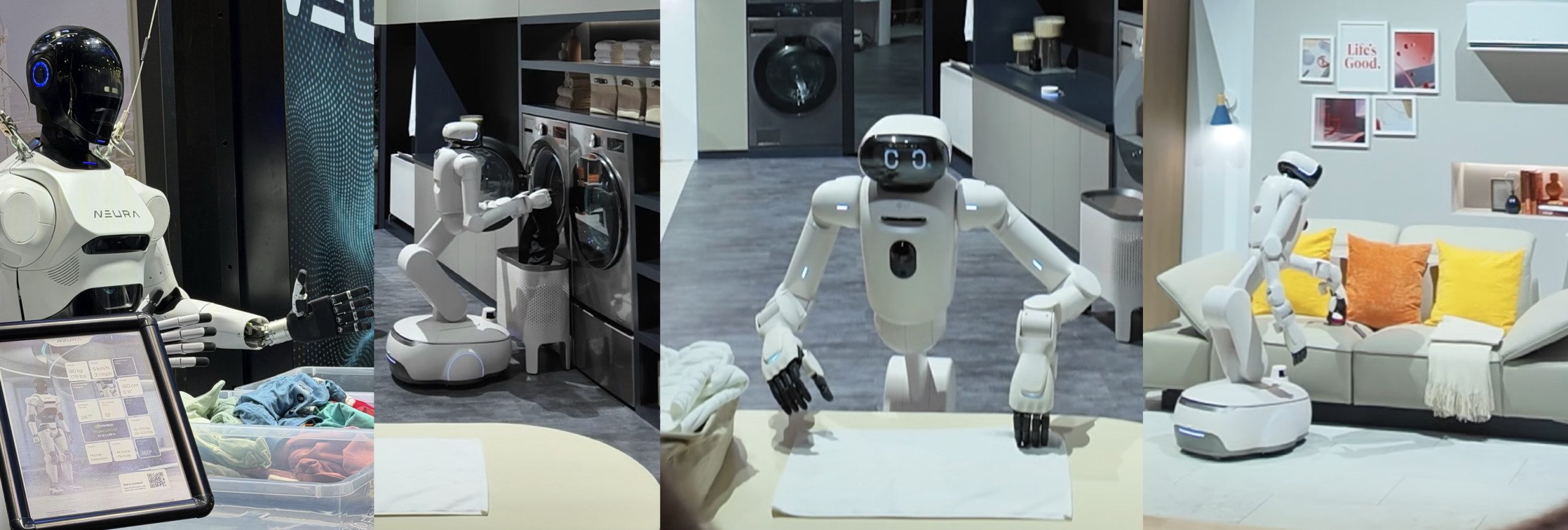
After years of incremental vacuum and window-cleaning bots, CES 2026 showcased humanoid home robots with broader and more complex capabilities, including laundry, cooking, and cleaning.
- LG’s CLOiD debuted as part of its “Zero Labor Home” initiative, demonstrating AI-powered cooking, clothing pickup, and laundry support.
- SwitchBot’s Onero H1 and Neura’s laundry-folding robot added even more options in a category long overdue for disruption.
We may not be ready for full household automation, but 2026 marks a milestone: the domestic robot era is no longer just a cartoon fantasy. It’s entering real homes, real soon.
3. Ground-Level Innovation Keeps Rolling
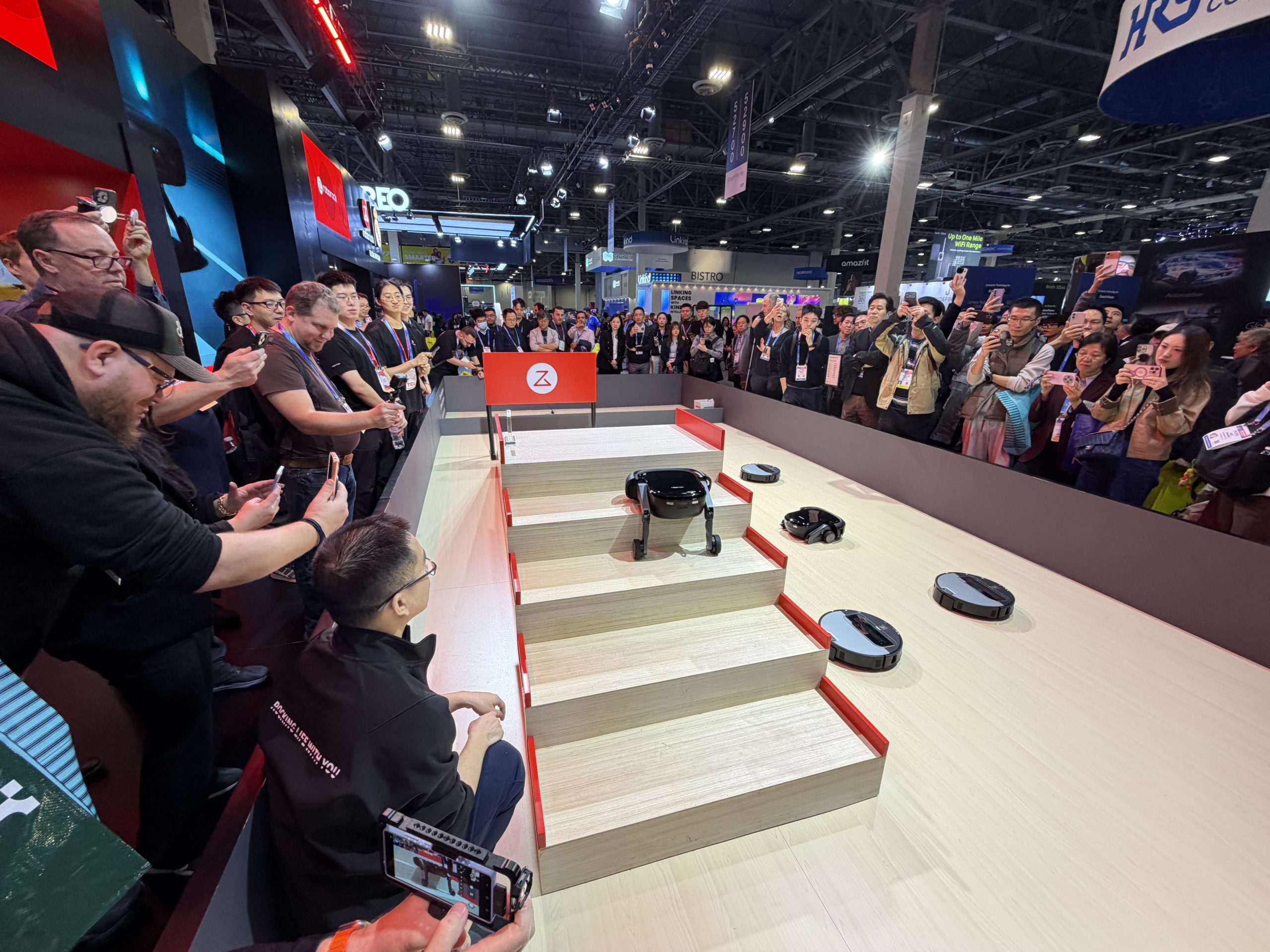
While humanoids drew the most headlines, CES also spotlighted next-gen cleaning, mobility, and outdoor bots that are quietly changing home life.
- FINN-client Roborock’s Saros Rover introduced robotic vacuums that navigate stairs and clear obstacles using robotic legs.
- Yarbo’s modular ground robot continued to impress with its all-season functionality, including mowing in summer and snow-blowing in winter.
- Exoskeletons and wearable robotic support systems from companies like FINN client Hypershell made a strong showing, highlighting the role of assistive AI for physical augmentation in work and recreation. I really needed one of these by Day 3 at CES.
These advancements suggest a future where robotic assistance becomes less of a luxury and more of a utility that just helps your life work.
4. Wearables and Smart Glasses Find Their Fit
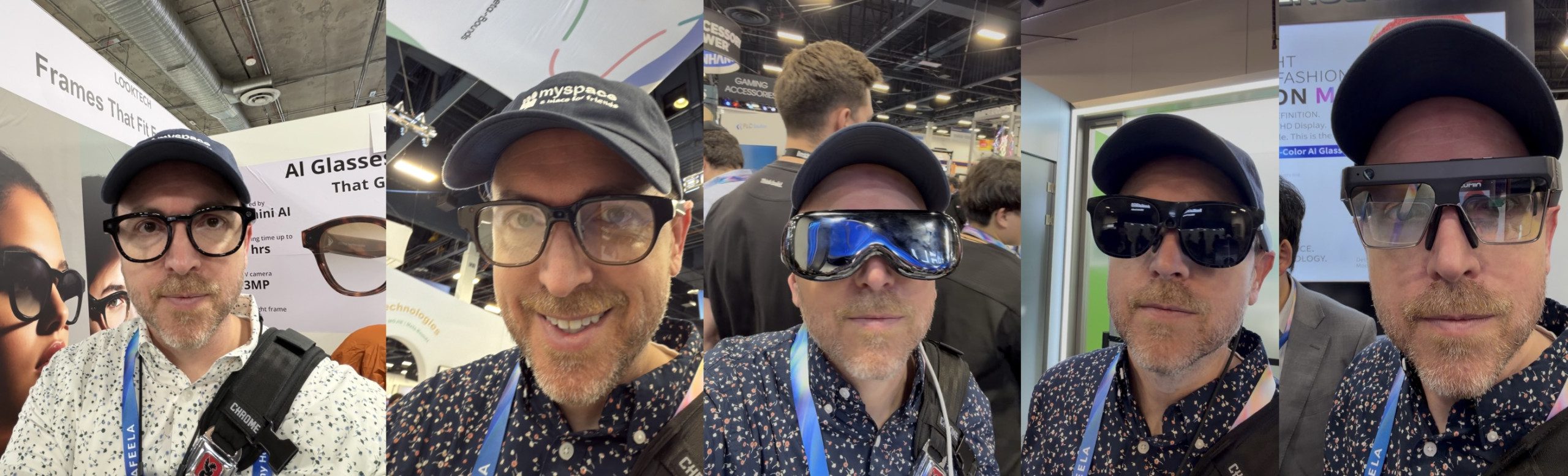
Smart glasses and wearable AI assistants have graduated from CES novelty to credible, consumer-ready products. While smart watches have jumped from CES buzz to mainstream, we’re just now nearing the pivot point of glasses and earbuds in solving more problems than they create.
- Meta’s Ray-Ban smart glasses, XREAL’s AR displays, and Magtiq’s smart-glasses clip-on point to a near future of accessible, heads-up experiences.
- Innovations in AI-enabled earbuds, like Timekettle’s real-time translation, and NAQI’s neural earbuds, hint at more intuitive, hands-free interfaces coming soon.
- Tunable lenses are also making AR/VR headsets more accessible to broader audiences who can’t use these devices without a prescription.
Wearables are no longer chasing everything. Watches and rings are becoming part of daily life for consumers, and although the adoption time is longer for smart glasses, the tech is getting smaller, faster, more stylish, and actually starting to offer utility that will increase demand.
5. AI Assistants Become Physical, Personal, and Context-Aware
We’ve officially moved beyond the “Now with Alexa” phase of consumer tech when it comes to AI-assistants. The future of AI integration isn’t a marketing message, but rather one of solving problems, and when it comes to assistants, with embedded, always-on, and embodied companions.
- Omi, a $89 wearable AI assistant worn on your temple, listens and summarizes conversations in real time.
- Looki L1, a wearable AI camera, captures your day and turns it into an automatic vlog.
- Razer’s Project AVA and Loona DeskMate showcased animated desktop assistants designed for productivity, translation, and emotional interaction.
- Enterprise solutions like IgniteTech’s MyPersonas explore AI “clones” of subject-matter experts to handle meetings, onboarding, or repetitive queries.
As AI moves from your phone and computer to your lapel and desktop, there will be a consumer reckoning in how it’s perceived as a presence. And while many of these products are still in early phases, the category is heating up quickly, with major players like Meta, Amazon, and OpenAI investing heavily in the space.
And it’s not just for adults.
The toy aisle at CES is starting to look more like the AI assistant aisle. We’re moving beyond chatbot-in-a-bear gimmicks and into a world of responsive, emotionally intelligent companions that adapt to how kids play and learn.
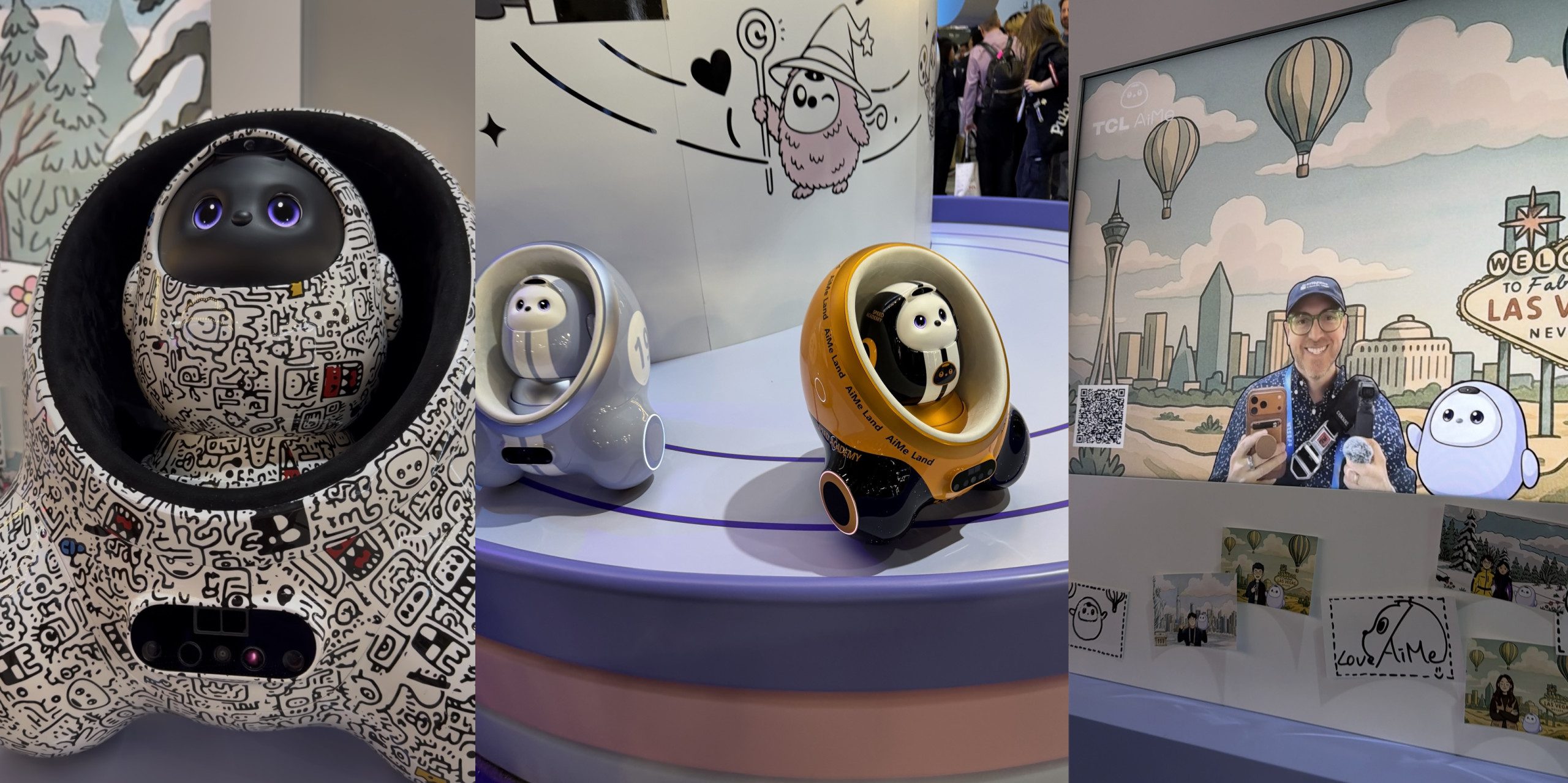
- TCL’s aiMe stood out in its second year at the show. The expressive, penguin-shaped toy nestled in a wheeled car is built to feel like a companion, not a tool. Its CES demo captured attendee photos and used generative AI to create custom images, offering a playful example of how AI can connect with kids on their terms.
That emotional design shift from functional to relational is a big signal for how both adults and kids will interact with AI outside of a chat window. .
Bonus: CES Still Delivers the Delightfully Weird
No CES is complete without a few “Wait, what?” moments. Among the odd-but-intriguing:
- Bone-conduction lollipops that play music through your teeth. Finally, solving the problem of what to listen to while you enjoy candy.
- Smartlet watch straps that let you wear a smartwatch and luxury watch on the same wrist. Only catch? It’s more than $400 and doesn’t come with a watch!
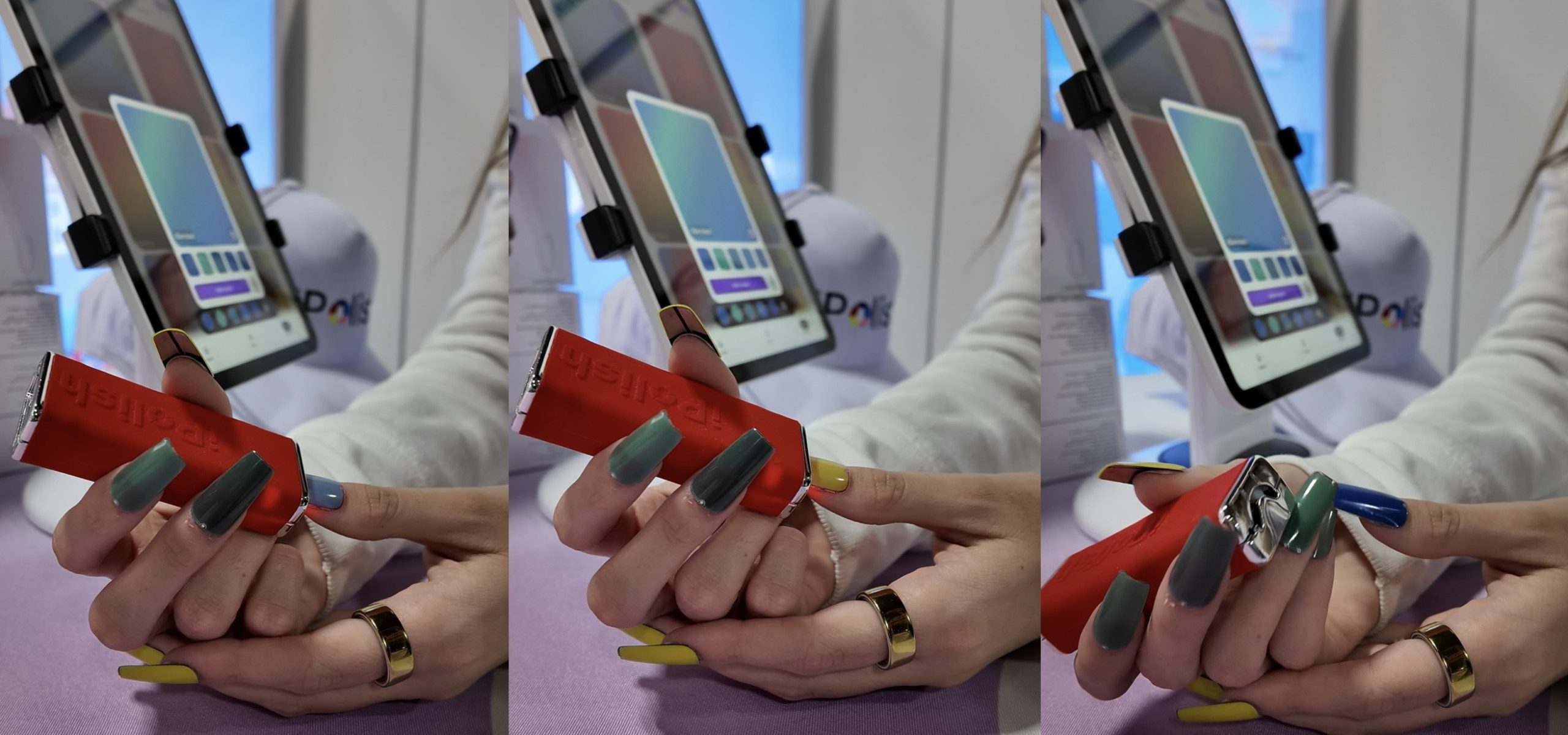
- iPolish press-on nails that change color with an app, which we’re told will not create the battery problem of “Oh shoot, my nails are dead,” before a night on the town.
- Smart toilets that monitor health data. With enough of these around the show floor that it’s moving from an innovation worth joking about to one actually helping improve consumer health.
- LEGO smart bricks with memory and that respond to movement. Despite not having a public-facing booth, LEGO’s largest tech introduction in the company’s history is poised to redefine children’s relationship with chips and AI.
These products may not all hit shelves or go mainstream, but they offer a valuable reminder: tech is still full of imagination. And sometimes, unexpected utility.
🎙️ Live From the Show Floor
Here’s Greg’s segment on WCCO-CBS News Radio live from the show floor covering the latest from CES 2026, which you can catch on YouTube, Spotify, and Apple Podcasts.
Why CES Still Matters for Marketers and Communicators

CES isn’t just about technology. It’s a front-row seat to the future of culture, behavior, and expectations. For brand builders, marketers, and communications professionals, it offers real-time insight into how people may live, shop, move, and communicate next.
The 2026 show marked a significant turning point: less hype, more purpose. We’re entering a phase where innovation is not just about “can we,” but “how will it fit into your life?”
That’s the real opportunity of studying CES takeaways each year. It’s not just about adopting (or cynically mocking) the latest innovations, but to tell better stories about why they matter, how they solve problems, and who they’re for.
The future isn’t just coming. It’s getting physical. And is already being tested in booths, in homes, and increasingly, on bodies.
What a cool opportunity to make sure we’re not just watching it unfold, but helping shape what comes next.
Greg Swan, Senior Partner, FINN Partners
POSTED BY: Greg Swan